Honey bee gathering nectar
What: We’d been noticing at my house for a few days the highway of bees zipping back and forth from the Japanese knotweed (Fallopia japonica, formerly Polygonum cuspidatum) to their hives. The Japanese knotweed flowers just opened up last week, signaling that the season of nectar flow is nearly done.
Ecological notes: Lots of flying insects (and a couple types of ants) were making good use of the flowers. I imagine that many flying insects that rely on nectar will start disappearing in the next few weeks as food sources drastically dwindle. From top left in clockwise order: House flies, blow fly, unknown ant, and yellow jacket.
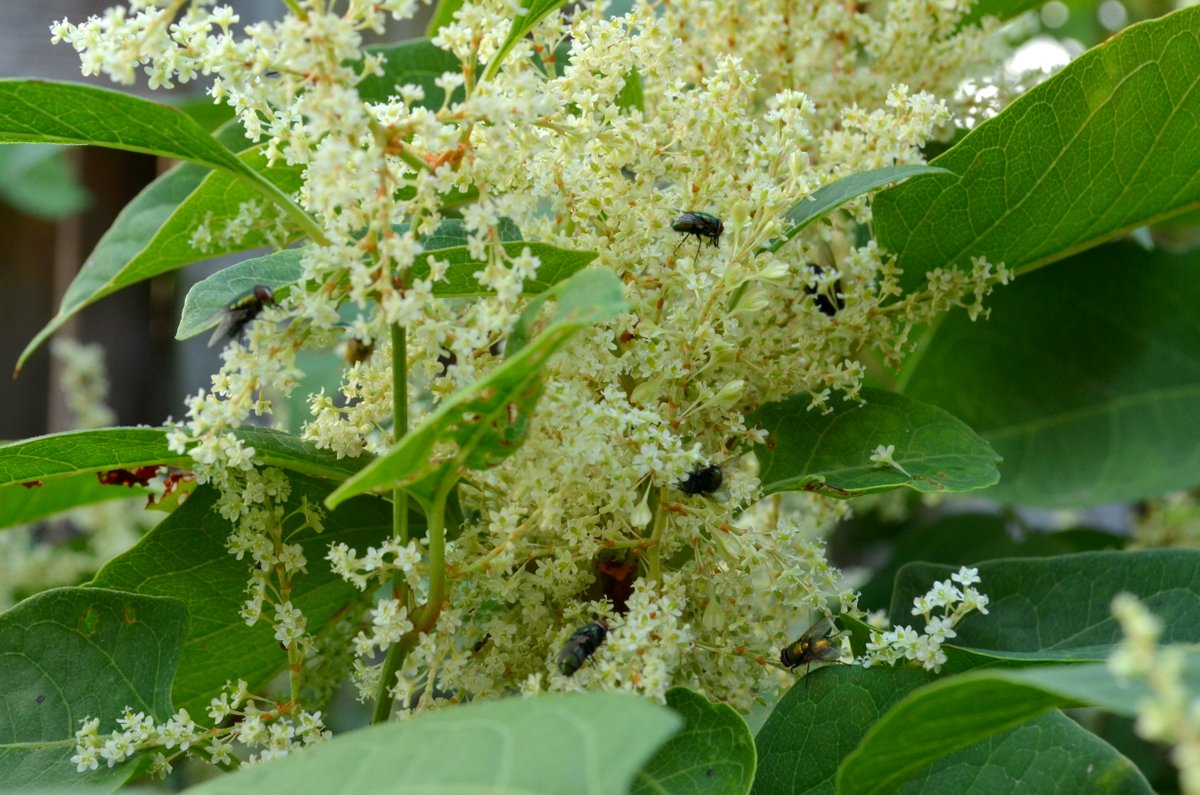
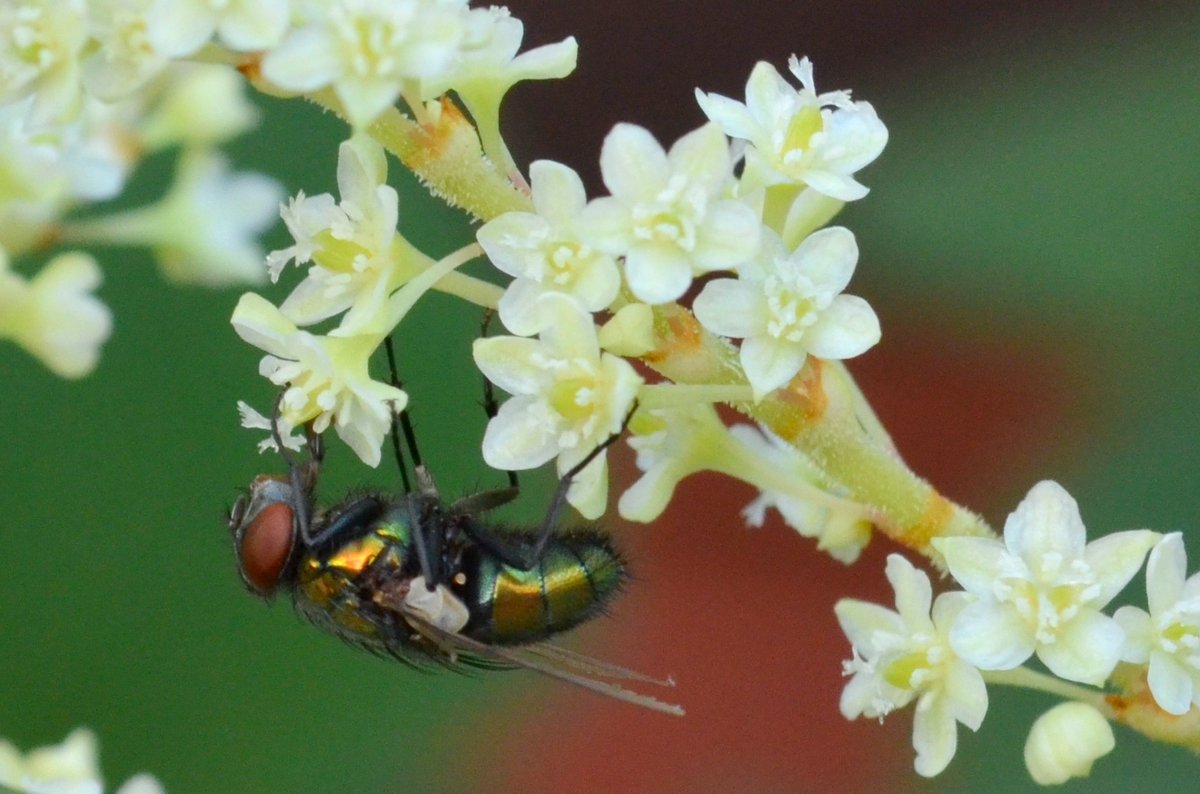
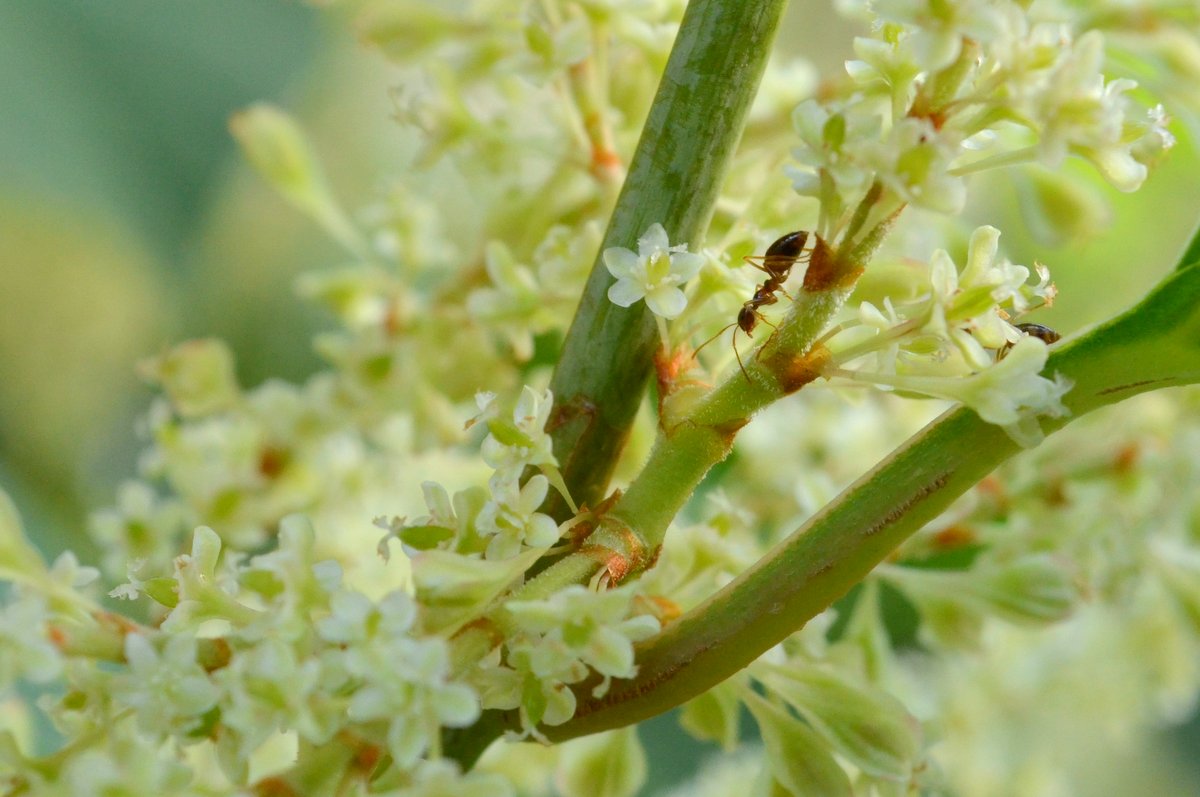
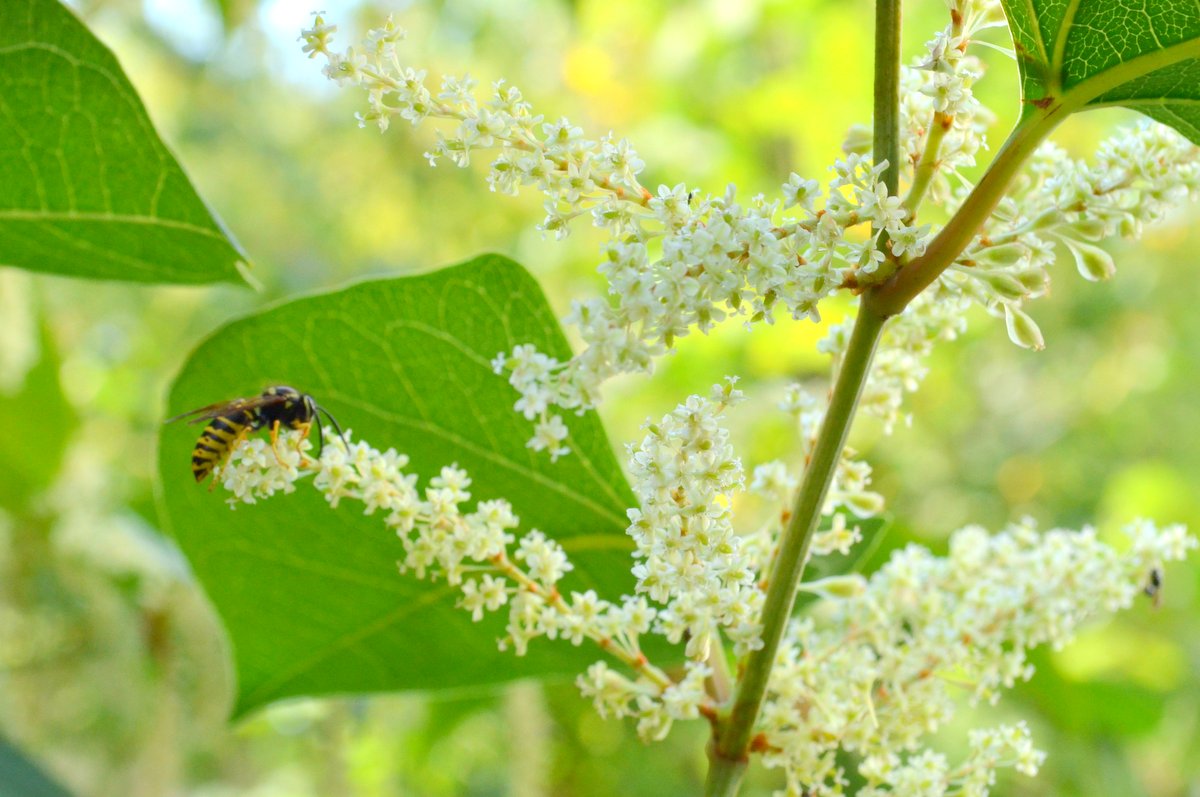
Where: Knotweed grows in disturbed sandy soils. Roadsides and river banks are great places to spot the plant. Look for dense stands with the delicate white strands of flowers poking up from the tops.
Other notes: I love knotweed. I find it tenacious, elegant, and nurturing. I have fondness for its tender shoots in the spring, the echoing resonance of its hollow chambers in winter, and the sweet scent it radiates in early fall. I find it forgivable that it might not hold the Winooski’s banks in place (it was brought to the states to be used to hold banks in place), but I find it dubious that a river 500 million years old doesn’t want to sway and bend in a new dance every once in a while. Cheers be to the knotweed.