The Burlington Glacier
Burlington has been free of glaciers since the land that's now Burlington was free of the Champlain Sea some 10,000 years ago. And glaciers won't be showing up any time soon. We do, however, have what my son and I call the Big Ugly Snow Pile (or Buspy Brown for short, see image below for its distinctive brownness). It's an impressive mound of snow that accumulates mass with each new storm as a parade of snowplows dump load after load of snow onto the pile to clear the city streets. As if its bigness or brownness wasn't enough to elevate it to the stature of greatness, the mass of ice essentially moves and acts like a glacier!

Myths: Behind the name serviceberry
I'd heard the origin of the name serviceberry (Amelanchier spp.) well before I even knew what the tree looked like. It goes something like this: when Europeans were first colonizing New England, the strange land was a fierce, unrelenting, and unforgiving environment, so troublingly reflected in the mortality rates (about 1 of every 5 babies born died in their first year, over 1/3 died before adulthood). In the all-too-common case that someone died during the long cold winter months, their body was stored anywhere it would be exposed to cold temperatures but protected from snow and rain: barns, sheds, caves. In more populous, established villages, the town and/or churches had a dead house (or mort or sometimes charnel houses) for temporary storage of bodies/bones before burial. It was only when the weather warmed and the ground softened that the dead could be buried.
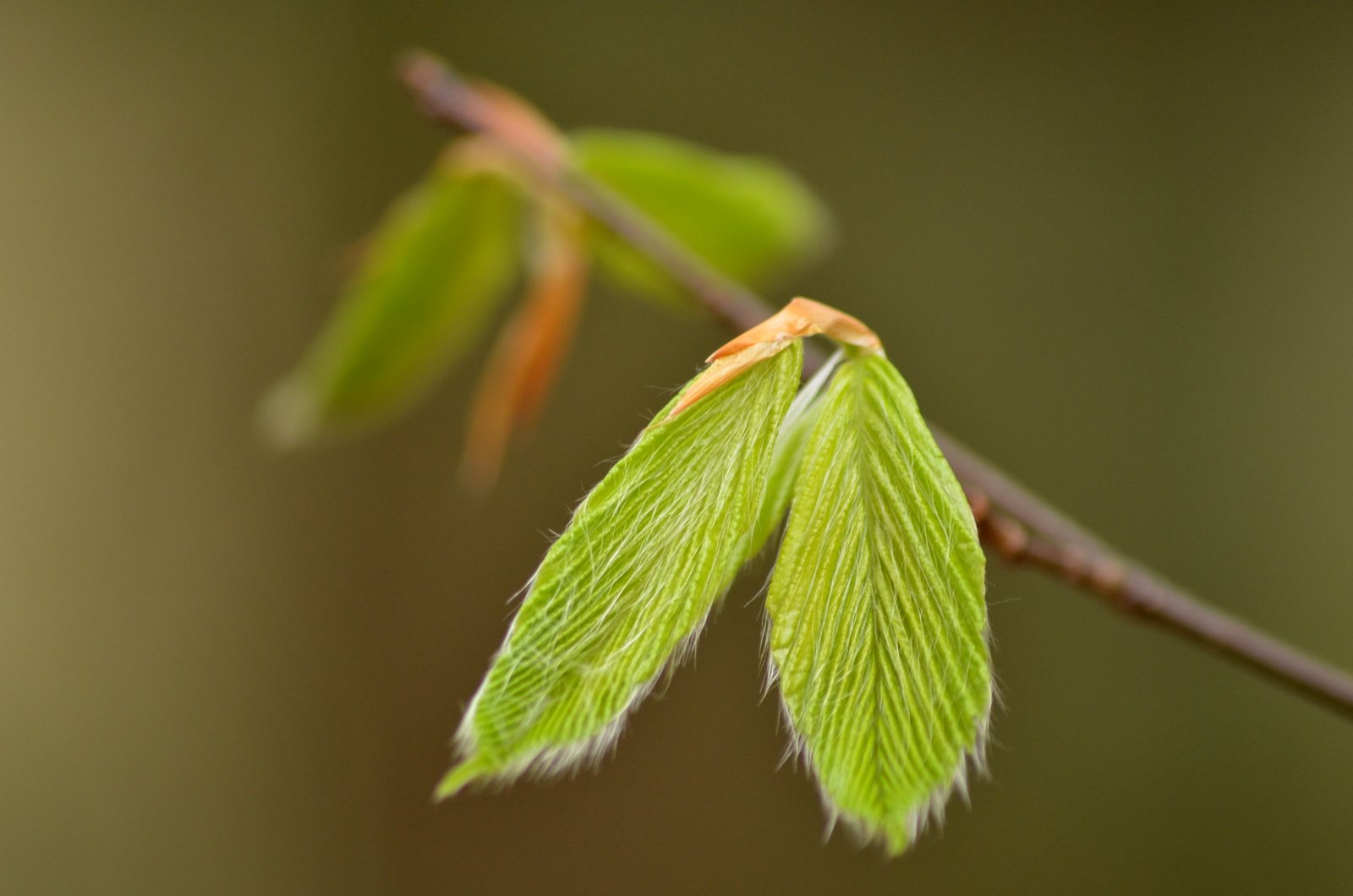
Origins And Meanings Of Tree Names
Over the past 3 years I've been slowly plodding towards a completed book about the trees of Vermont. The book started as a short, quick reference to help with tree ID, but in its current state is a 600 page tome on all things trees. Somewhere along the way I seem to have sacrificed readability and accessibility for thoroughness. I'll definitely pare down the final product to a more manageable and useful size. As part of my research, I looked into the origins and meanings of the names of trees. I've long been interested in the history of names and as I'd already translated all the Vermont vertebrates (Etymology of Vermont Vertebrates), I thought I'd put together a booklet on the names of Vermont's trees.

Free-Running Circadian Rhythms
If you took off your watch and stepped into a box that buffered you from any environmental cues that would hint at the time of day - it's not just light/dark cycles that due this, traffic noise can do the same - you'd probably go mad. If you could somehow stave off the psychological impacts of sensory deprivation, you'd soon fall out of touch with your watch by - wait for it - 1 hour!! That's right, the internal human clock is set on a roughly 25 hour cycle (not surprisingly, circadian rhythms tend to be slightly longer than a solar day). So there's that extra 1 hour of sleep I've been craving. I'll just have to move my whole family into a sensory deprivation tank....
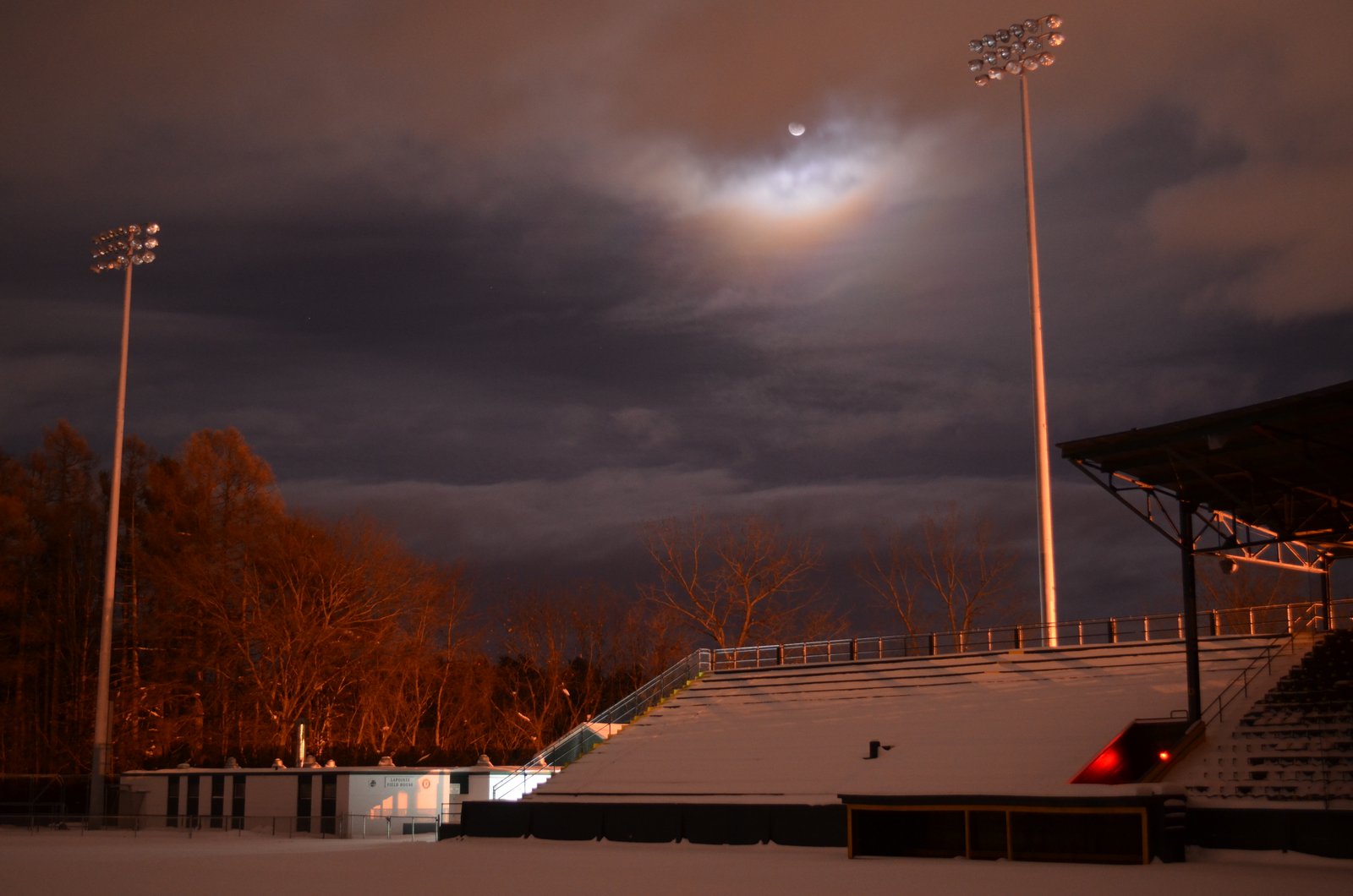
25-hour days
Full disclosure: I wrote much of this while suffering the ill effects of staying up late grading papers and the gloominess of winter's darkest hour. And at the end of a long night, oh how I longed for just 1 extra hour to get that coveted long, full night of rest!

Myths: Biomass of salamanders vs deer
As an educator I often find myself saying stuff to my students that while I'm saying it I'm thinking, wait, there's no way this is true. Like that one about how daddy long-legs are super venomous, but their poor tiny little chelicerae are just to small to pierce human skin and deliver that fatal bite. I've been keeping a list of these myths. And yesterday while out in the woods with my friend Glenn Etter (and co-host of the Single Acorn, which will return with a new season on animal intelligence in January), we were wondering whether there's any weight to that fun fact about there being more red-backed salamander biomass than deer biomass here in New England.