
Adult Lymantria dispar moths
I often return to Martin Prechtel's idea of each species having its own eloquence that manifests at some peak moment during the year. It's a pretty anthropocentric way of viewing the life histories of other organisms, but it captures quite nicely those incredible moments during the year when the staghorn sumacs turn a brilliant purple, the barred owls singing in the dark winter skies, sap staff flowing, amphibians migrate to their breeding grounds and so on. Well, for Lymantria, the time is August when the caterpillars pupate and the adults emerge in a torrent of fluttery reproductive frenzy. Here we look at adult Lymantria dispar moths.

Thoughts on Invasive Species
During the height of the Lymantria dispar outbreak this summer, I was out at our Hobbit-themed summer camp playing games, singing songs, eating blackberries, and looking at the parasitic plant, pinesap (Monotropa hypopitys) with happy kiddos. The "fuzzy nibbler" moths are particularly abundant at our base camp, which is shaded by a canopy composed mostly of mature red oaks (with a few big-toothed and quaking aspens sprinkled in along the edges). For those kids unfamiliar with the moths at the start of camp, by day 2 they had already forged strong opinions. And it broke my heart to hear the way many of them were talking about the "heartbreaker" moths, such strident malice directed towards the fluttering males, stoic females, and bristly caterpillars coming from 8 and 9 year-olds.

The Lymantria dispar moth
A couple weeks I was teaching a professional development course on Vermont’s Natural History based out of St Mark’s church here in Burlington. On our first day, we were outside working with compasses when someone pointed out all the dead oaks in the parking lot. When I looked up, I was shocked at the barren canopy. The surrounding neighborhood seemed totally oblivious to whatever had plagued the dozen or so white and red oaks lining the property.
Contest: Renaming Lymantria dispar
As part of the Better Names Project, the Entomological Society of America is actively working to rename insects with names that are offensive. Let's help them out by coming up with our own name for the moth, Lymantria dispar

Ducks in the winter
Over the past 205 years, the lake has frozen over 162 times and remained open 43 times. Though the 43 open years aren't even distributed - 65% of these have occurred within the last 50 years, 90% in the last 100 years. And this has had a significant impact on our resident birds. For many birds that depend on wetlands for food and shelter (herons, egrets, bitterns, rails, ducks, terns, sandpipers, etc), the impending freeze up of their habitat in the fall signals that it's time to migrate to more favorable habitats either on the coast or farther south. This is particularly true for shore birds that rely on the shallow parts of rivers, ponds, and lakes which freeze up first and more reliably. These birds tend to be more synced up with the calendar (day length change) than the weather for coordinating migration times.
Stinky Plants
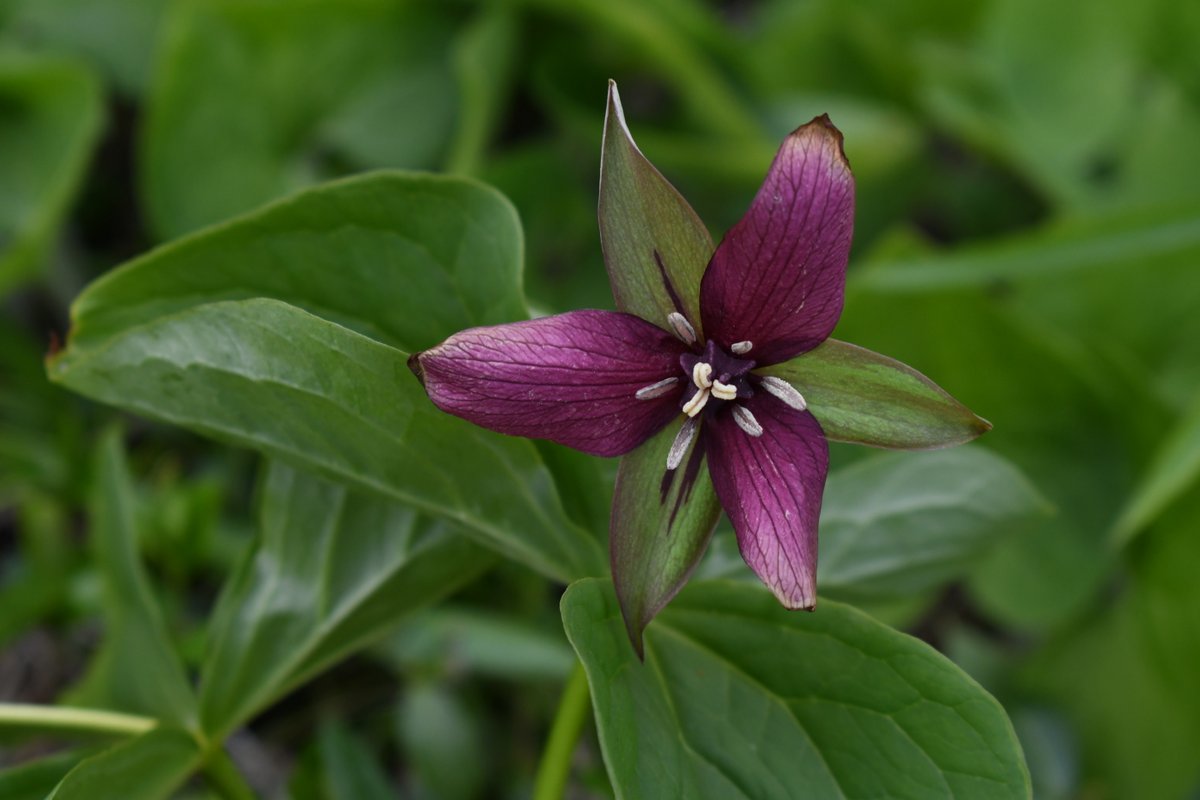
Generally speaking, animal-pollinated (zoophilous) flowers are more effective at effecting the transfer of pollen than wind (anemophilous) because they rely on animals to take pollen directly to another - and hopefully - receptive flower rather than relying on chance. But with all mutualisms, there's a trade off, and flowers must produce enough nectar to entice pollinators into spending enough time buzzing around their flower to pick up stray pollen grains. They then walk, fly, or buzz directly to another flower, often of the same species, bringing pollen right from plant A to plant B (interestingly, most plants have individual flowers or entire individuals within the population that cheat the system and are entirely nectarless). To advertise that nectar is present and ripe for the taking, flowers are often bright, showy, and/or fragrant.
