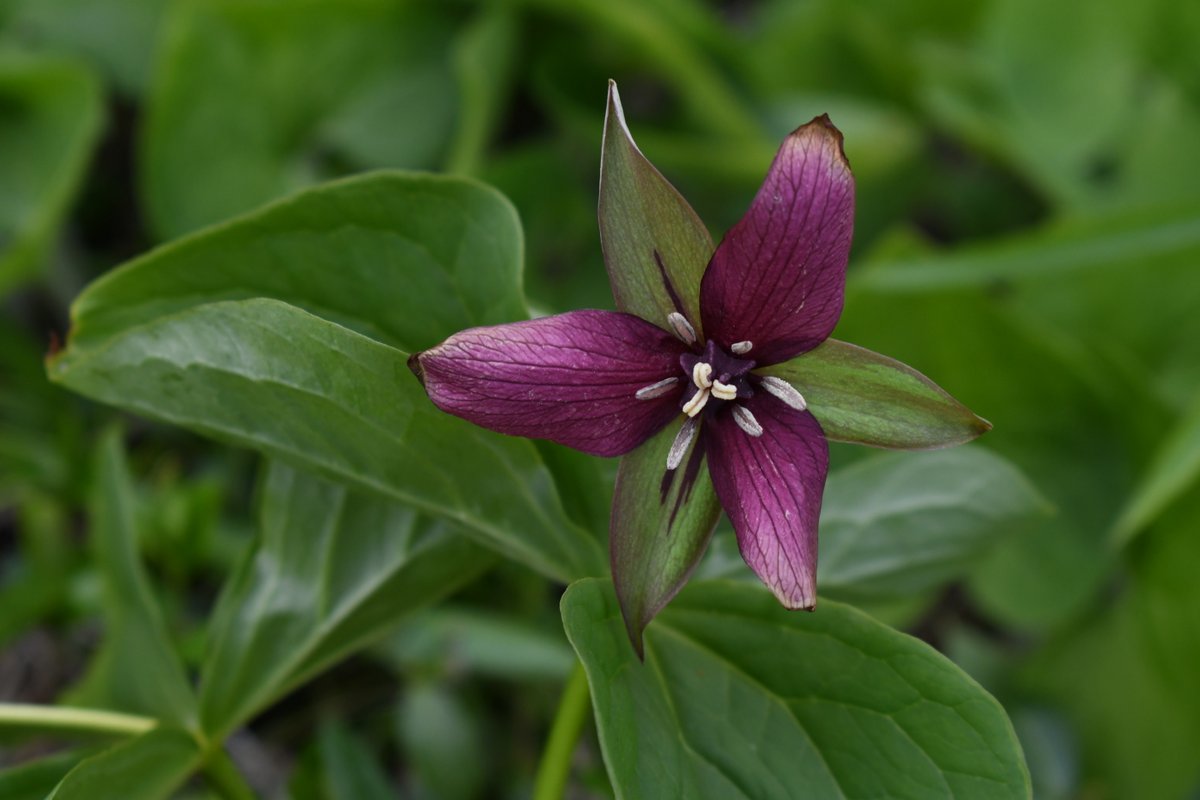
Stinky Plants
Generally speaking, animal-pollinated (zoophilous) flowers are more effective at effecting the transfer of pollen than wind (anemophilous) because they rely on animals to take pollen directly to another - and hopefully - receptive flower rather than relying on chance. But with all mutualisms, there's a trade off, and flowers must produce enough nectar to entice pollinators into spending enough time buzzing around their flower to pick up stray pollen grains. They then walk, fly, or buzz directly to another flower, often of the same species, bringing pollen right from plant A to plant B (interestingly, most plants have individual flowers or entire individuals within the population that cheat the system and are entirely nectarless). To advertise that nectar is present and ripe for the taking, flowers are often bright, showy, and/or fragrant.
