Story #1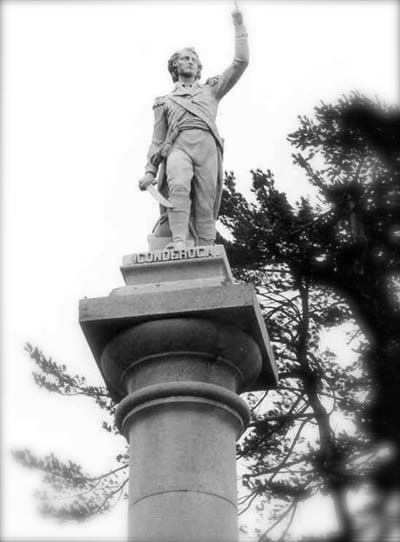 The first eerie mystery involves the Greenmount Cemetery, which borders Centennial Woods and overlooks the city of Winooski. The cemetery dates as far back as 1763 and contains some of Vermont’s most important historical figures. General Ethan Allen, who captained the Green Mountain Boys and fought for Vermont’s independence, has an extravagant, 42-foot statue that was erected in 1873. A plaque at the front of the monument explains that Ethan Allen “was buried near here.” Through this enigmatic plaque, there was confusion as to if his remains were actually buried in Greenmount. In 2000, there was a project to restore the monument, and during this process, workers discovered a crypt buried underneath the monument. Rather than opening the crypt to find out for sure if Ethan Allen’s remains existed at Greenmount, Vermont elected to keep it a mystery in order to protect historical integrity. Avid hiker and Centennial Woods explorer Will Russell recalled a night last winter in which he heard strange noises around Ethan Allen’s grave site. Could this be our past freedom fighter roaming his former land? If you find yourself walking the borders of Centennial Woods near the cemetery, especially around this time of year, keep your eyes peeled for any ghostly happenings!
Ecological Notes:
Graveyards include an abundance of flora, and Greenmount Cemetery boasts a wide range of plants and trees over its fifteen acres, many of which are native to Vermont. Evergreens such as the white spruce (Picea glauca), white pine (Pinus strobus) and the white cedar (Thuja occidentalis) provide great coverage from wind and snow for the graveyard. Other aesthetically pleasing species present include the paper birch (Betula papyrifera) and the red maple (Acer rubrum).
Story #2
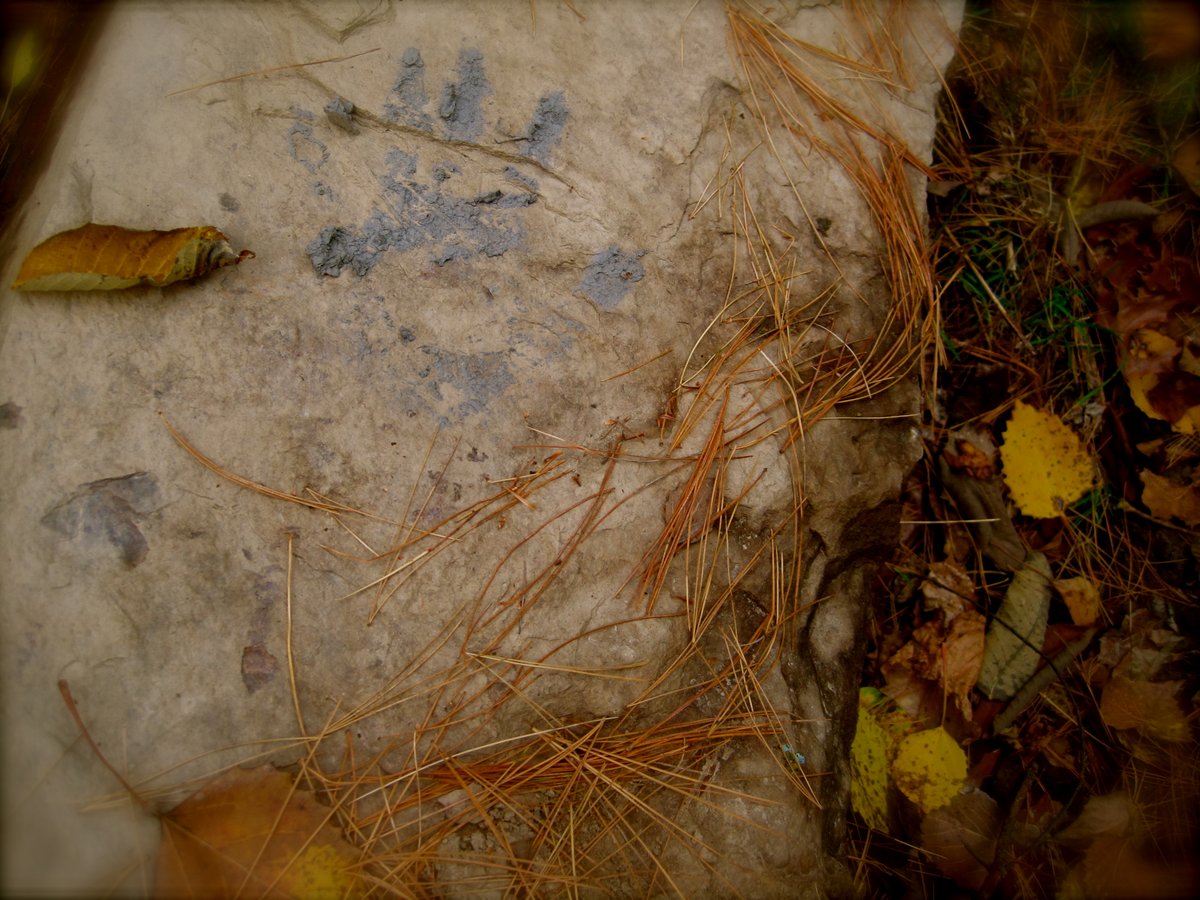
Another frightening story includes a body that was found in the woods just one year ago. A woman was out walking her dog when she happened upon a dead body wrapped in a blanket. To this day, nobody knows for sure what happened to this man. Perhaps it was due natural causes, or maybe something in the woods got him. The harsh winters of Vermont have been known to swallow up innocent souls and leave bodies strewn on the cold hard ground.
Ecological Notes
Plants and wildlife have to fend for themselves every winter, and some do this better than others. Beavers for instance, adapt well to cold temperatures. Normally crepuscular animals (active primarily during daybreak and twilight), beavers spend the daytime leading up to winter to build their lodges. Since the surface of the water they live in may freeze solid, beavers will chew down extra trees for underwater food storage. On the other hand, many trees, plants, and animals fall victim to the ice and wind and eventually meet fate of the lost man of Centennial Woods.
Story #3
 |
| Photo taken by Gary Allen |
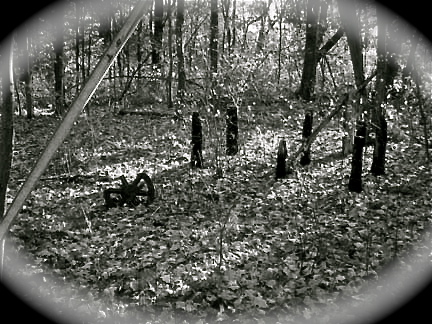
Our next spooky tale involves an abandoned ski hill. In the winter of 1962-1963 the South Burlington Rope Tow was opened for operation on what is now Centennial Woods land. The slope was open for a few years before it was mysteriously destroyed and left as a barren wasteland. There were accounts of children playing with fire around the time of the disaster, and it is believed that these troublemakers caused the destruction. Some say that if you head to this section of Centennial Woods on a quiet winter afternoon, you can still hear the raggedy old rope tow and the sounds of old skis running across the snow.
Ecological Notes:
Today, Red Pines (Pinus resinosa) inhabit much of the forest where the ski hill used to exist. The presence of Red Pines suggests past fire activity because red pine regeneration peaks in the years following fires. Fire adaptations include a thickened bark and an elevated crown.