
Spoon + Boat Raffle
That's right, I'll be raffling off one of the boats I carved while making the video below as well as a spoon that I carved while making the forthcoming spoon video each week in June.
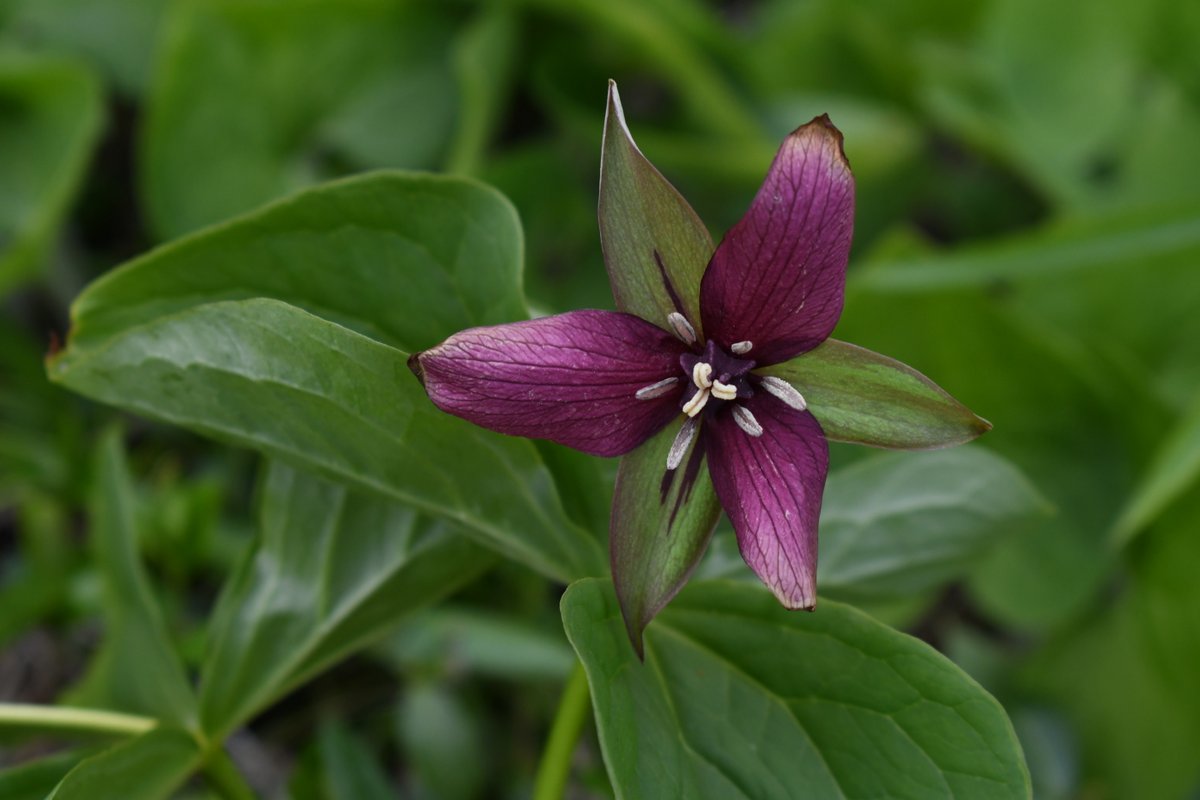
Stinky Plants
Generally speaking, animal-pollinated (zoophilous) flowers are more effective at effecting the transfer of pollen than wind (anemophilous) because they rely on animals to take pollen directly to another - and hopefully - receptive flower rather than relying on chance. But with all mutualisms, there's a trade off, and flowers must produce enough nectar to entice pollinators into spending enough time buzzing around their flower to pick up stray pollen grains. They then walk, fly, or buzz directly to another flower, often of the same species, bringing pollen right from plant A to plant B (interestingly, most plants have individual flowers or entire individuals within the population that cheat the system and are entirely nectarless). To advertise that nectar is present and ripe for the taking, flowers are often bright, showy, and/or fragrant.

Spinning Tops
A few years ago I made a bunch of dreidels out of white cedar. They were a real pain to get properly weighted so they didn't always land face up on gimel. In the end, they were somewhat biased, but they sure did spin great. Well, sort of. I used cedar because it's soft and easy to carve. Without much weight, however, they proved somewhat finicky to get twirling. I've still got quite a bit to learn about crafting that perfectly balanced, easy riding top, but after making quite a few this week I've learned quite a bit.

Tides of Spring
Spring arrives at Crow's Path with red-winged blackbirds and phoebes calling, and kids heading out on rainy nights to help amphibians cross.

Following the Fox Trail
Fresh snow at the Field School sets kids on the trail of a fox, piecing together what the nocturnal animals of Rock Point were up to.

A Quest for Nests
Once the leaves fall, nests hidden all summer come into view. A winter quest for nests with the kids at Crow's Path.
