
Plants with milky sap
The sap is flowing freely! The weather continues to warm, with nights consistently above freezing, which spells the end of sap production for maples
A Year In The Life Of Sap
The sap has been flowing intermittently the past couple weeks, and oh what a delight to hear that plunk plunk sound of the first drips hitting the bottom of an empty sap bucket. The sap slowly changes flavors across the sugaring season (more on that next week), but it also changes across the whole year. Here I’ll explain a bit about what’s in sap and how this varies from tree to tree.

Squirrels tapping Norway maple
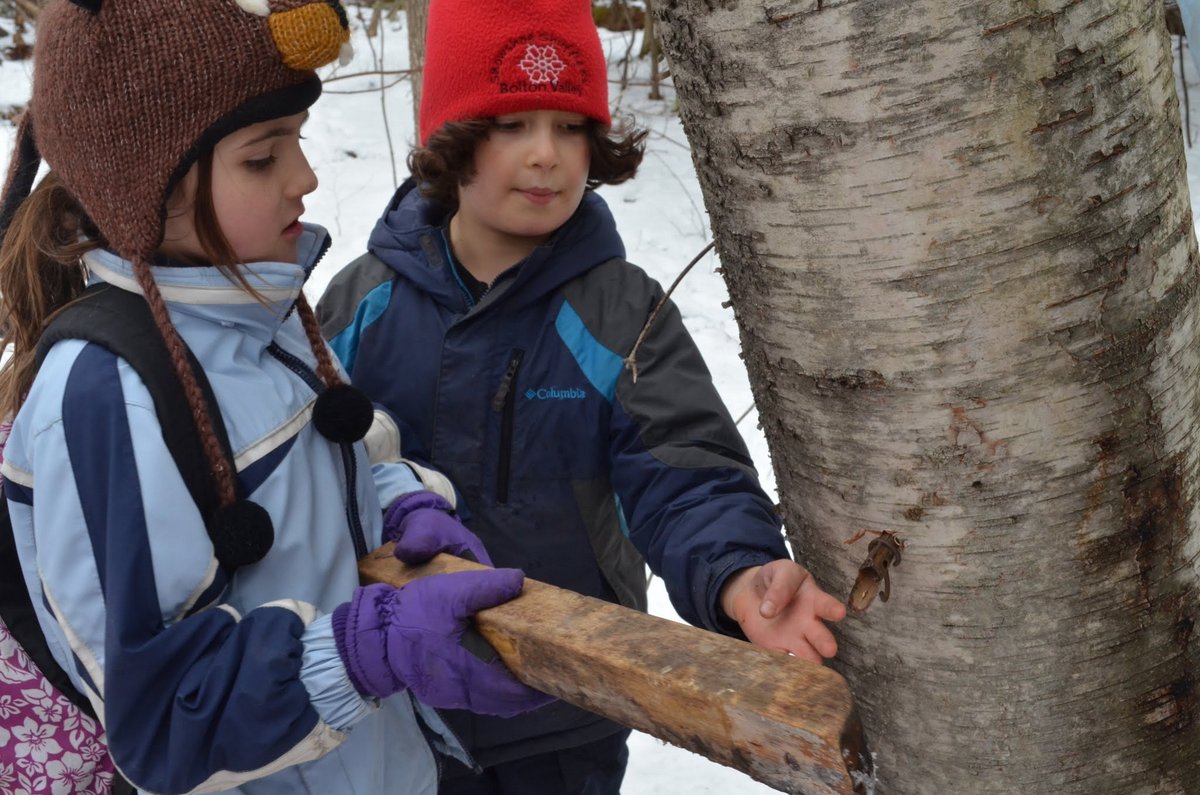
If spring is marked by the return of life to our somnolescent winter woods, then the flow of sap is really that first and most prominent signifier that spring is here! When I tapped trees with kids out at the Field School, I had one rule: No Sugar Maples. All trees have sap, even conifers, and many of them produce delicious sap that can be tapped in much the same way as sugar maple. And so it became an experiment to find new flavors, to figure out which trees have sap that floweth freely and when this sap flows. We took inspiration from yellow-bellied sapsuckers, which tap and eat sap from at least 174 different species across their range (more on how sapsuckers survive winter). Some species were a total bust and had no sap flow (e.g. musclewood, apples, black locust, tamarack, etc.). But some were incredibly delicious. Black walnut with its rich carmel-y flavor was easily my favorite, though I also enjoyed the birches.

Sapsuckers in Winter
Well if it's January, that means that it's almost February, which means that sap is almost flowing.

Sugaring season
I was following the tracks of a gray squirrel bounding through the brush in Casavant in Winooski yesterday (photos definitely taken before the snow storm) when…

Square Sugar on Snow
Why would maple syrup crystallize into tiny cubes? A geology podcast remark about salt and sugar crystals leads to an investigation.
