Love Trees
One of our patrons, Nina Jaffe, sent me the photos below and wrote: “I snapped both of these pics in the [Jericho] UVM Research Forest…the beech on the left this past Sunday and the hemlock (I believe) back in Sept. 2012. How does this phenomenon occur?” So I thought I’d follow up with some info on how these “love trees” form.

Sexy Salmon
I only really began thinking about fish 4 years ago when I started fishing. And it wasn't until last summer when I was snorkeling that I really got into fish ecology. Being so new to the field, whenever I see something going on in the fish world I tend to be totally blown away by it. Three weeks ago I got a call from my friend and fellow fishing enthusiast, Nathan, saying the Atlantic salmon were spawning down in the Winooski River. I've been down there almost every day since (sometimes twice a day) to watch the salmon and try and film their reproductive habits.

Voles running in circles
A few months ago, someone posted to the about a shrew running in circles. I've seen plenty of shrews - alive and dead - but never seen or heard of this behavior before. I went down a rabbit hole and watched plenty of shrews and then voles running in circles. While not common, I hoped one day I'd be able to see this in person.

How to befriend a beaver
During the 12 years I've been exploring Burlington's Centennial Woods, about 10 groups of beavers have taken up residence here along various stretches of the natural area's two streams. The habitat is quite poor for beavers and so if a beaver (usually a pair) does make its way into the area, it builds a dam, possibly builds a lodge (most have been bank lodging recently), overwinters a paltry pantry of buckthorn, chokecherry, sumac, dogwood, and the rare willow, and then, come springtime, heads off downstream for greener pastures. No beaver dam has lasted more than a full year since I've been watching.

Heat Stress in Plants
I'll start this newsletter the way I started the last one: It's been hot. Real hot. And while we've had a few warm days earlier in the season, this is the first real stretch of heat for the year. Record breaking heat. When the weather's hot, it can be a real source of stress for organisms. Read on for why heat's a problem and how plants solve the problem!
Stinky Plants
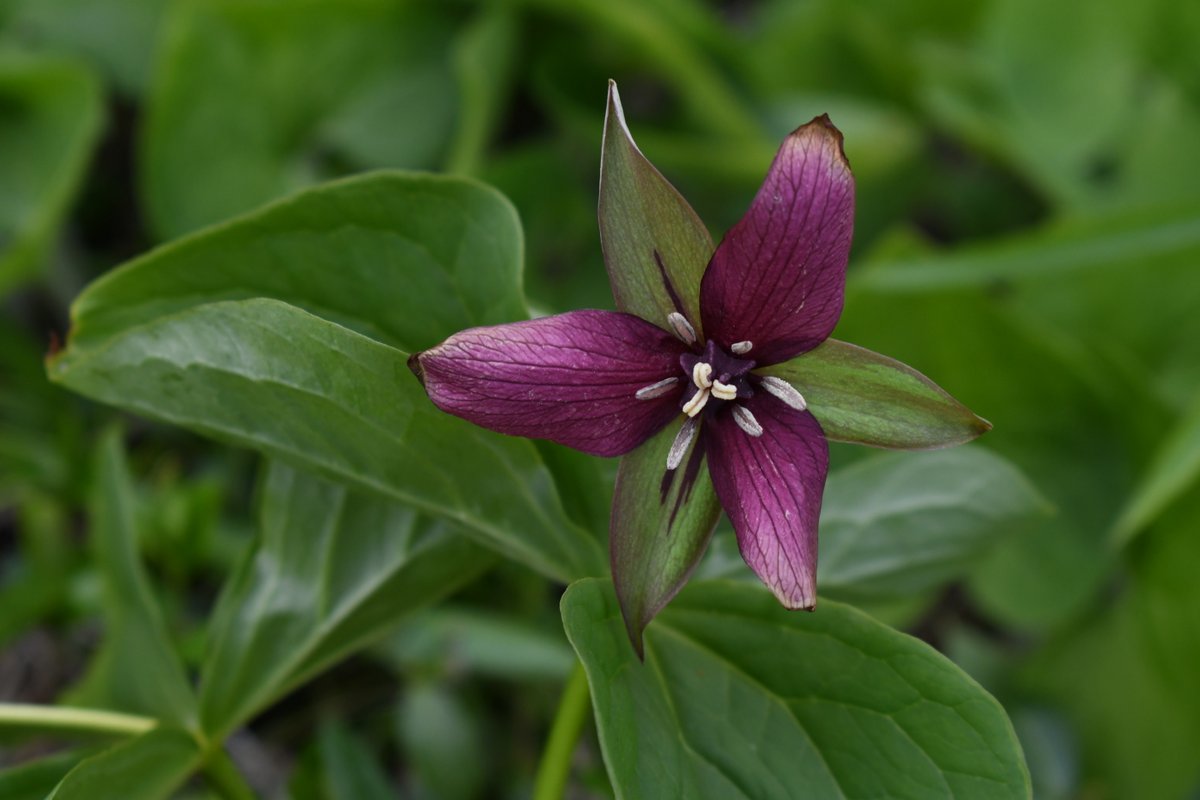
Generally speaking, animal-pollinated (zoophilous) flowers are more effective at effecting the transfer of pollen than wind (anemophilous) because they rely on animals to take pollen directly to another - and hopefully - receptive flower rather than relying on chance. But with all mutualisms, there's a trade off, and flowers must produce enough nectar to entice pollinators into spending enough time buzzing around their flower to pick up stray pollen grains. They then walk, fly, or buzz directly to another flower, often of the same species, bringing pollen right from plant A to plant B (interestingly, most plants have individual flowers or entire individuals within the population that cheat the system and are entirely nectarless). To advertise that nectar is present and ripe for the taking, flowers are often bright, showy, and/or fragrant.